Introduction
In modern infrastructure projects, choosing the right fence is no longer a simple aesthetic decision. Whether it is a construction site, logistics hub, airport, or industrial facility, poor fencing solutions often lead to security risks, frequent maintenance, and high lifecycle costs. Many buyers struggle with selecting a fencing system that balances durability, security, and cost efficiency while adapting to complex environments.
Project-Oriented Fence Planning
A professional fencing strategy starts with understanding the project environment. A security fence used in an airport fence system differs significantly from a garden fence or decorative fence. Terrain, climate, threat level, and service life expectations must all be considered when designing a perimeter fence.
Site Assessment
Analyze soil conditions, wind load, corrosion exposure, and intrusion risk. Industrial fence projects often require reinforced steel fence structures, while backyard fence or villa fence installations may prioritize aesthetics and privacy fence performance.
Security Level Definition
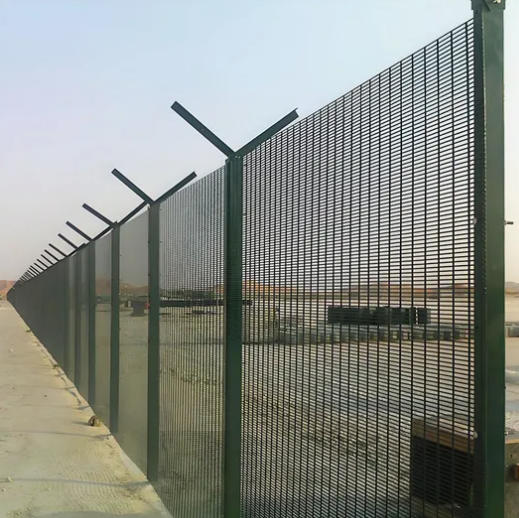
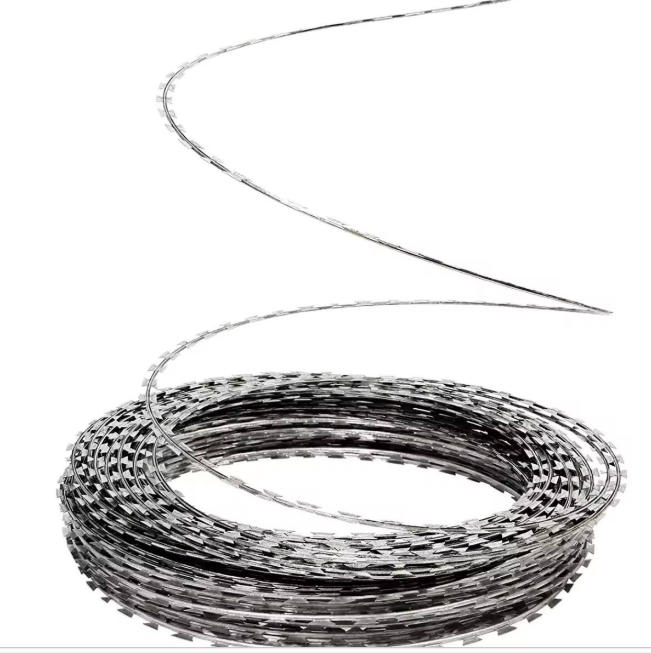
Different projects require different levels of protection. A high security fence or perimeter security fence may include anti climb fence designs, razor wire fence toppings, or anti intrusion fence structures. In contrast, garden fencing focuses more on boundary marking and visual appeal.
Fence System Design Options
Wire-Based Fencing
Wire fence systems such as chain link fencing, welded wire fence, and steel wire mesh fence are widely used due to flexibility and cost efficiency. Chain link fence is ideal for large-area enclosures, while welded mesh fence provides higher rigidity.
Metal Panel Systems
Metal fence solutions including steel fence, aluminum fence, and expanded metal fence offer enhanced durability and impact resistance. These are commonly used in industrial fence and railway security fence projects.
High-Security Configurations
For critical infrastructure, fencing systems may integrate barbed wire fence, concertina wire fence, or razor wire fence. These additions significantly increase the effectiveness of perimeter fence protection.
Material Selection Strategy
Steel-Based Systems
Steel fence solutions dominate the market due to strength and long lifespan. Galvanized and powder-coated finishes improve corrosion resistance, making them suitable for border fence and military fence applications.
PVC and Coated Options
PVC fence and coated wire mesh fence systems provide additional weather resistance. They are commonly used in garden fence, landscape fence, and backyard fence installations where appearance matters.
Installation Engineering Considerations
Proper installation determines the long-term performance of any fencing system. Incorrect post spacing, weak foundations, or poor tensioning can compromise even the best materials.
Foundation Design
Concrete foundations are recommended for high security fence and industrial fence projects. For temporary fencing, lighter anchoring systems may be sufficient.
Panel Connection Methods
Welded connections provide rigidity, while modular systems allow faster installation. Choosing the right connection method improves both installation efficiency and maintenance flexibility.
Performance and Efficiency
The performance of a fencing system is measured by durability, security effectiveness, and maintenance requirements. A well-designed security fencing system minimizes intrusion risks while reducing long-term costs.
Wire mesh fence systems offer excellent visibility and airflow, making them suitable for airport fence and railway security fence projects. On the other hand, privacy fence solutions provide visual blocking for residential or villa fence applications.
High-performance fencing systems also consider anti-climb features, corrosion resistance, and adaptability to environmental stress. These factors directly impact lifecycle efficiency.
Application Scenarios
Industrial Facilities
Industrial fence systems prioritize durability and protection. Steel fence combined with anti intrusion fence designs ensures long-term reliability.
Transportation Infrastructure
Airport fence and railway security fence projects require strict safety standards. Chain link fencing with reinforced posts is commonly used.
Residential Projects
Garden fence, decorative fence, and ornamental fence solutions focus on aesthetics while maintaining basic security.
Common Challenges
Corrosion
Exposure to moisture and chemicals can degrade metal fence systems. Protective coatings are essential.
Structural Weakness
Poor installation or low-quality materials can lead to fence failure under stress.
Security Gaps
Improper design may create vulnerabilities, especially in perimeter fence systems.
Maintenance Strategy
Regular inspection is critical for maintaining fencing performance. Cleaning, repainting, and replacing damaged components extend the service life of the system.
For wire fence systems, checking tension and connections ensures stability. For metal fence panels, surface treatment maintenance prevents corrosion.
Real Engineering Experience
Logistics Park Project
A large logistics park implemented chain link fence with barbed wire fence topping. The solution reduced intrusion incidents by over 60% while maintaining cost efficiency.
Airport Perimeter Upgrade
An airport fence project used welded mesh fence combined with anti climb fence design. The upgrade improved security compliance and reduced maintenance frequency.
Residential Villa Development
A villa fence project utilized aluminum fence with decorative fence elements. The solution achieved both aesthetic appeal and functional boundary protection.
Conclusion
A well-designed fence system is a critical component of modern infrastructure. From industrial fence applications to residential garden fencing, selecting the right materials, design, and installation approach ensures long-term performance and cost efficiency. Investing in a professional security fencing system ultimately enhances safety, durability, and operational reliability.
FAQ
What is the best fence for high security areas?
High security fence systems typically use welded mesh fence combined with razor wire fence or anti climb fence features.
How long does a steel fence last?
With proper coating and maintenance, a steel fence can last 15–25 years or more.
Is chain link fencing suitable for industrial use?
Yes, chain link fencing is widely used in industrial fence projects due to cost efficiency and flexibility.
What is the difference between welded wire fence and chain link fence?
Welded wire fence offers higher rigidity, while chain link fence provides flexibility and easier installation.
How to reduce fence maintenance costs?
Choosing high-quality materials, proper installation, and regular inspection can significantly reduce maintenance costs.
2026-10-19
2026-10-13
Razer Barbed Wire for Mining S...
2026-10-10
Beyond the Wall: Where Barbed ...

2026-9-28