Introduction
In modern infrastructure, choosing the right fence is no longer a simple task. Buyers often struggle with balancing security, durability, cost, and installation efficiency. A poorly selected fencing system can lead to frequent repairs, safety risks, and even security breaches. Whether it is a construction site, residential area, or high-risk facility, the demand for a reliable fence solution has never been higher. This is why understanding different fencing systems and engineering logic is critical before making a purchase decision.
What Is Fence
A fence is a structured barrier system designed to define boundaries, enhance safety, and provide security. In engineering terms, fencing is not just about enclosing space; it is a complete security fencing system composed of posts, panels, fasteners, and sometimes additional protection elements such as razor wire fence or barbed wire fence.
From a technical perspective, a fence must withstand environmental stress, mechanical impact, and long-term exposure to corrosion. Modern fence solutions include metal fence systems, steel fence structures, and wire fence configurations that offer flexibility and strength for different applications.
Types of Fence Systems
Security Fence
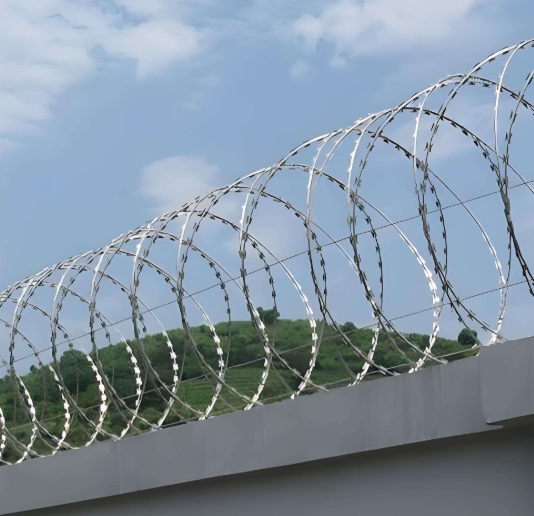
A security fence is designed to prevent unauthorized access. It often includes anti climb fence structures, anti intrusion fence designs, and additional deterrents such as concertina wire fence or razor wire fence. These are commonly used in airports, military zones, and industrial areas.
Residential Fence
Residential fencing includes garden fence, backyard fence, villa fence, and decorative fence systems. These fences prioritize aesthetics while maintaining basic safety. Materials such as PVC fence, aluminum fence, and wrought iron fence are commonly used.
Industrial Fence
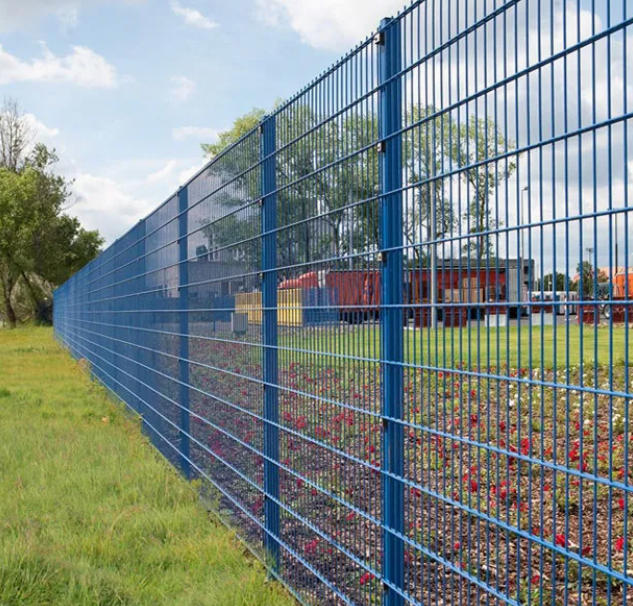
Industrial fence systems focus on durability and strength. Steel fence, wire mesh fence, and welded mesh fence are widely used in factories, warehouses, and logistics centers. These fences are often part of a larger perimeter security fence solution.
Agricultural Fence
Agricultural fencing is designed for livestock control and land protection. Chain link fencing and wire fence systems are commonly used due to their cost-effectiveness and flexibility.
Fence Materials
Metal Fence Materials
Metal fence systems include steel fence and aluminum fence options. Steel provides high strength and impact resistance, while aluminum offers lightweight and corrosion-resistant benefits. Wrought iron fence is often used for decorative purposes with strong structural integrity.
Polymer Fence Materials
PVC fence is widely used for residential and decorative applications due to its low maintenance and weather resistance. It is ideal for garden fencing and landscape fence projects.
Wire-Based Materials
Wire fence solutions include chain link fence, welded wire fence, and steel wire mesh fence. These materials are cost-effective and suitable for large-scale perimeter fence installations.
Performance and Efficiency
A high-quality fence must deliver long-term performance under various conditions. Key performance indicators include corrosion resistance, structural stability, installation efficiency, and lifecycle cost.
Steel fence systems with galvanized or PVC coating provide excellent anti-corrosion performance, especially in coastal or humid environments. Wire mesh fence structures allow airflow and visibility while maintaining security, making them ideal for industrial fence and railway security fence applications.
Efficiency is also determined by installation speed. Modular fencing systems such as welded mesh fence panels reduce labor time and ensure consistent quality. In large-scale projects like airport fence or border fence installations, efficiency directly impacts project timelines and costs.
Additionally, advanced security fencing systems integrate anti climb fence designs and reinforced posts to enhance protection levels. Expanded metal fence solutions provide higher rigidity compared to traditional wire fencing.
How to Choose Fence
Selecting the right fence requires a clear understanding of project requirements. First, define the purpose: security fence, decorative fence, or industrial fence. For high-security needs, choose perimeter security fence systems with anti intrusion features.
Second, consider environmental conditions. Coastal areas require corrosion-resistant materials such as PVC-coated steel fence. For high-wind zones, reinforced metal fence structures are recommended.
Third, evaluate cost versus lifespan. While cheaper fencing options may reduce initial investment, they often lead to higher maintenance costs. A well-designed steel fence or welded wire fence system offers better long-term value.
Finally, consider installation and maintenance. Prefabricated fencing panels such as welded mesh fence or chain link fencing systems simplify installation and reduce labor costs.
Common Problems
Corrosion
One of the most common issues in fencing systems is corrosion. Metal fence structures without proper coating can deteriorate quickly, especially in humid environments.
Deformation
Improper installation or low-quality materials can lead to fence deformation. This is often seen in wire fence systems with weak tension control.
Security Weak Points
Poor design can create vulnerabilities in a security fence. Gaps, weak joints, or lack of anti climb features can compromise the entire system.
Maintenance Tips
Regular inspection is essential for maintaining fence performance. Check for rust, loose connections, and structural damage. For metal fence systems, applying protective coatings can extend lifespan.
Cleaning is also important, especially for decorative fence and garden fencing systems. Removing dirt and debris helps maintain appearance and prevents material degradation.
For high-security installations such as prison fence system or military fence, routine security checks are necessary to ensure all components are functioning properly.
Real Engineering Experience
Airport Perimeter Project
In an airport fence project, a high security fence with anti climb fence design and razor wire fence topping was installed. The system significantly improved perimeter security while maintaining visibility for surveillance.
Industrial Facility Upgrade
A manufacturing plant replaced its old wire fence with a welded mesh fence system. The upgrade improved durability and reduced maintenance costs over five years.
Residential Community Installation
A villa fence project used aluminum fence combined with decorative fence elements. The result was a visually appealing and durable fencing system that enhanced property value.
Conclusion
Fence systems play a critical role in modern infrastructure. From security fence applications to decorative fence solutions, choosing the right fencing system requires careful consideration of materials, performance, and project requirements. A well-designed fence not only enhances safety but also provides long-term value and reliability.
If you are planning a fencing project, investing in a professional security fencing system is essential. The right choice will ensure durability, efficiency, and peace of mind.
FAQ
What is the best fence for high security?
A high security fence with anti climb fence design and razor wire fence topping is the most effective solution for maximum protection.
Which fence material lasts the longest?
Galvanized steel fence and PVC-coated metal fence systems offer the longest lifespan with minimal maintenance.
Is chain link fencing suitable for industrial use?
Yes, chain link fencing is widely used in industrial fence applications due to its cost-effectiveness and flexibility.
How do I maintain a metal fence?
Regular inspection, cleaning, and applying anti-corrosion coatings are key to maintaining a metal fence.
What is the difference between welded mesh fence and chain link fence?
Welded mesh fence offers higher rigidity and security, while chain link fence provides flexibility and lower cost.
2026-10-21
2026-9-29
Do you need a brand-new securi...

2026-9-15
Double Twist Barbed Wire for F...
2026-9-3