Introduction
Many buyers underestimate the importance of proper fence design until they face issues such as corrosion, intrusion, or structural failure. A poorly planned fencing system leads to repeated repairs, security risks, and increased operational costs. A well-engineered fence solution is essential for long-term investment protection.
Understanding Fence Engineering Principles
A fence is more than just a barrier. It is a structural system designed to resist environmental forces and human interference. Whether it is a security fence, perimeter fence, or garden fence, engineering principles determine its effectiveness.
Load Resistance
Wind, impact, and tension loads must be considered when designing a fencing system. Steel fence and metal fence systems provide higher resistance compared to lightweight materials.
Durability Factors
Environmental exposure affects all fencing systems. Industrial fence and border fence projects require enhanced corrosion protection.
Fence System Categories
Flexible Systems
Wire fence solutions such as chain link fence and chain link fencing are flexible and easy to install. They are widely used in large-scale perimeter fence applications.
Rigid Systems
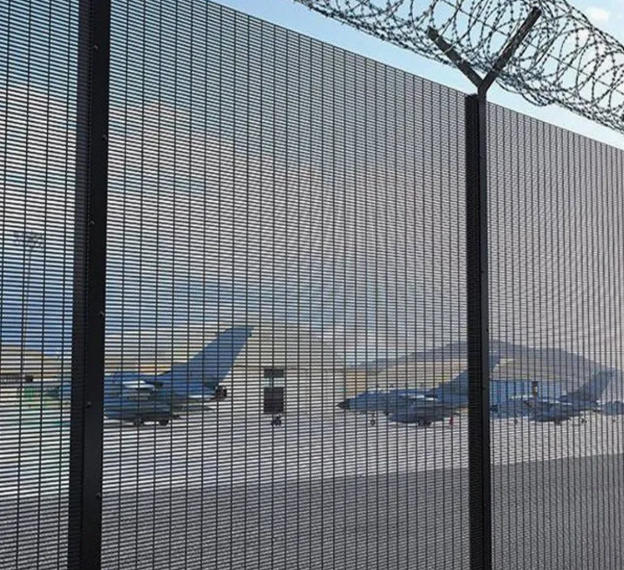
Welded mesh fence, welded wire fence, and expanded metal fence provide strong structural integrity, making them ideal for high security fence installations.
Decorative Systems
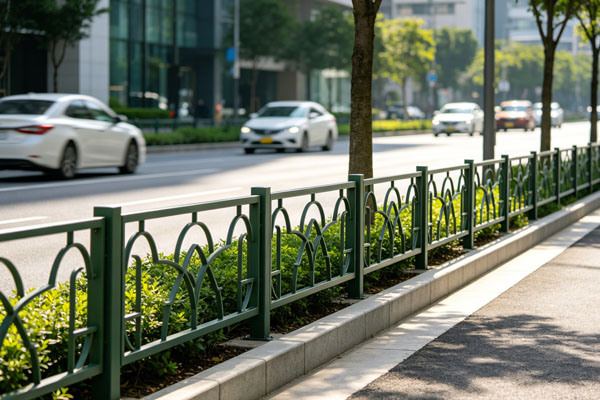
Decorative fence, ornamental fence, and wrought iron fence are commonly used in residential and villa fence projects.
Material Engineering
Galvanized Steel
Galvanized steel wire mesh fence systems offer excellent corrosion resistance and are widely used in industrial fence and railway security fence projects.
Coated Materials
PVC fence and coated wire mesh fence solutions improve durability and aesthetics, making them suitable for garden fencing and backyard fence installations.
Security Enhancements
Modern security fencing systems incorporate multiple layers of protection. Anti climb fence designs prevent unauthorized access, while razor wire fence and concertina wire fence provide additional deterrence.
High security fence systems are essential for military fence, prison fence system, and airport fence applications.
Installation Best Practices
Post Alignment
Accurate post alignment ensures structural stability. Misalignment can weaken the entire fence system.
Tension Control
For wire fence systems, proper tensioning is critical to maintaining performance over time.
Performance Optimization
Efficient fencing systems balance cost, durability, and security. Steel wire mesh fence systems offer excellent performance in harsh environments, while aluminum fence solutions provide lightweight durability.
Privacy fence designs are optimized for residential use, while safety fence systems are commonly used in construction sites.
Application Examples
Industrial Zone
An industrial fence project used welded mesh fence with anti intrusion fence features, significantly improving security levels.
Railway Protection
A railway security fence system utilized chain link fencing combined with barbed wire fence to prevent unauthorized access.
Residential Community
A backyard fence project installed PVC fence panels to enhance privacy and aesthetics.
Common Issues
Material Degradation
Low-quality materials lead to premature failure.
Design Flaws
Improper fence height or spacing can reduce effectiveness.
Maintenance Neglect
Lack of maintenance accelerates damage.
Maintenance Guidelines
Routine inspection, cleaning, and repairs are essential. Recoating metal fence surfaces helps prevent corrosion, while replacing damaged wire mesh fence sections maintains integrity.
Conclusion
Fence design plays a critical role in long-term security investment. By selecting the right fencing system, materials, and installation methods, users can achieve optimal performance and cost efficiency across various applications.
FAQ
What type of fence is best for perimeter security?
Welded mesh fence combined with anti climb fence features is highly effective.
How to choose between steel fence and aluminum fence?
Steel fence offers higher strength, while aluminum fence provides lightweight and corrosion resistance.
Is PVC fence durable?
Yes, PVC fence is resistant to weather and requires minimal maintenance.
What is the advantage of chain link fencing?
Chain link fencing is cost-effective, flexible, and easy to install.
How often should a fence be inspected?
It is recommended to inspect fencing systems at least once every 6–12 months.
2026-8-5
2026-6-27